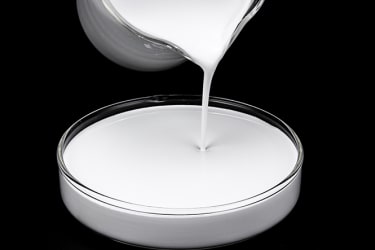
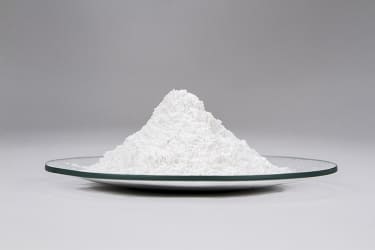
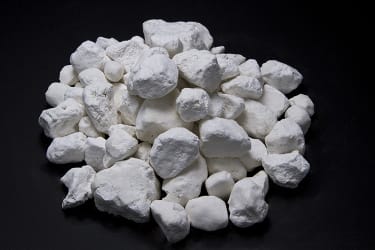
Martin Marietta Magnesia Specialties product offerings include:
magnesium hydroxide slurry and powder, dolomitic lime, and a wide variety of magnesium oxide products
that vary in chemistries and physical properties. High product quality and consistency make Martin
Marietta’s products the clear choice for your application.
Martin Marietta Magnesia Specialties is reducing its impact on the environment through significant investments to reduce its
carbon footprint, and by selling its products in sustainable markets such as wastewater treatment and air pollution control.
As a steward of the Earth's resources, our company incorporates sustainability as a core value within its business agenda.
Martin Marietta Magnesia Specialties, a subsidiary of Martin Marietta, is a
leading producer of high purity magnesium oxide, magnesium hydroxide and dolomitic
lime products, which are used in a variety of environmental, industrial, chemical,
and specialty applications.